OK. Just hear me out.
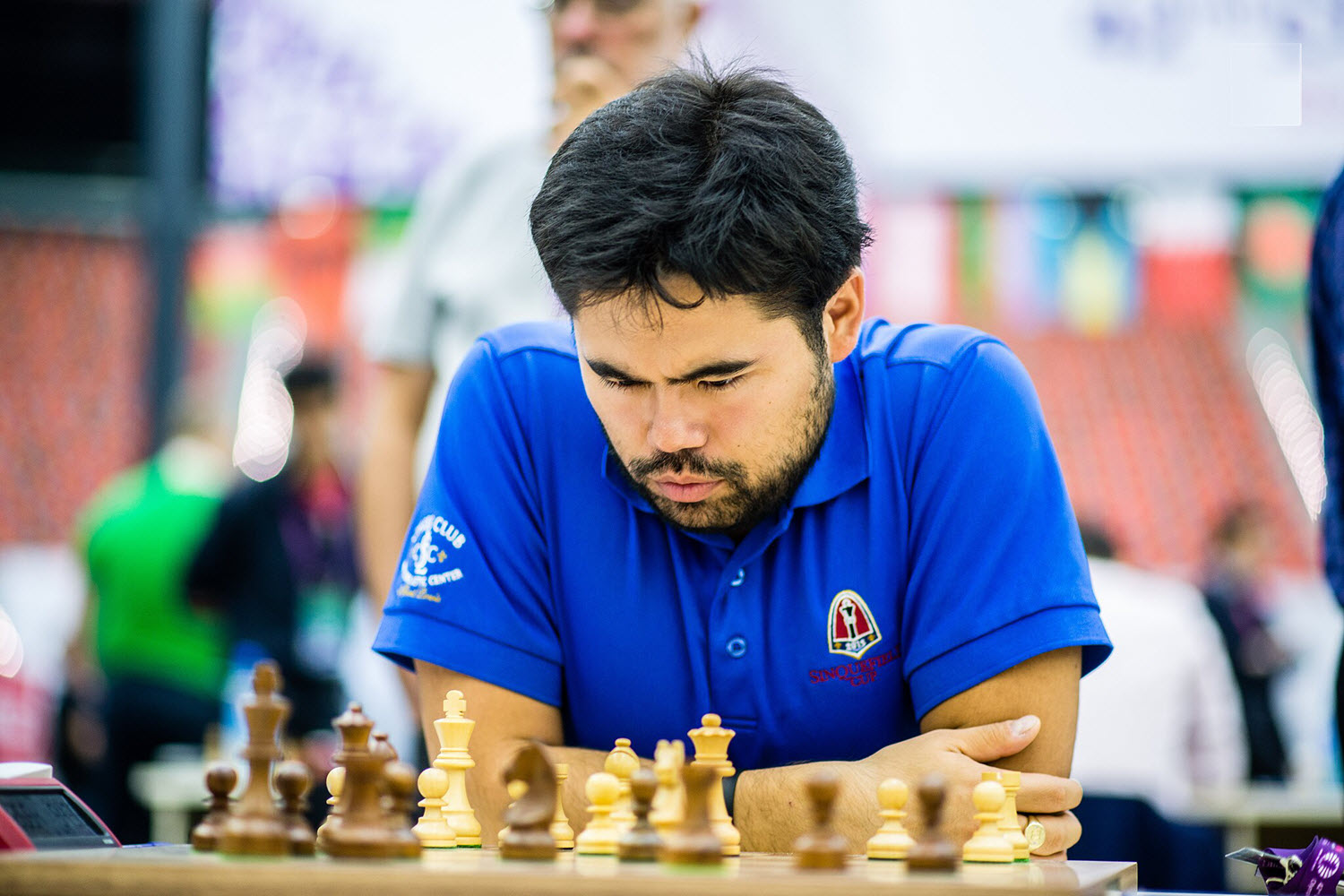
I recently watched a video where Hikaru Nakamura, American chess grandmaster, streamer, YouTuber, five-time U.S. Chess Champion, and the 2022 World Fischer Random Chess Champion made the claim that all serious chess players are addicted to the game.
And this got me thinking …
We normally think of addiction as a “chemical dependence” such as addiction to cigarettes, alcohol, crack cocaine, or prescription drugs. In fact, according to the 2023 National Survey on Drug Use and Health (NSDUH), the most authoritative annual survey on substance use in the U.S., 17.3% of Americans aged 12 and older had a substance use disorder in the previous year.
But Hikaru’s commentary in this video offers a surprisingly honest case study on addiction, not to substances, but to something widely praised as “good for you”: chess. I would say that the core lesson is that addiction is not defined by the object itself, but by the relationship we form with it. Chess, like many modern pursuits, delivers powerful dopamine hits through pattern recognition, wins, ranking systems, and the promise of mastery. Over time, this rewires attention and behavior in ways indistinguishable from more socially condemned addictions.
Behavior As an Addiction
In recent years, we have heard experts refer to numerous new types of addictions that don’t involve consuming chemicals at all. For example, you’ve like heard of gambling addiction, sex addiction, shopping addiction, and social media addiction, to name a few. We might call these patterns “behavioral addictions” instead of “chemical addictions”. Consider just two studies.
- Internet Addiction: A Brief Summary of Research and Practice: This article in PMC (PubMed Central) summarizes decades of clinical and research evidence on Internet Addiction Disorder (IAD).
- Pornography-Watching Disorder and Its Risk Factors Among Young Adults: Cross-Sectional Survey: A large cross-sectional survey applying DSM-5-addapted criteria to assess what researchers term pornography-watching disorder.
We’re All Addicts Now
Using this broader, behaviorally grounded definition, a very strong case can be made that 90%-95% of the North American population is addicted to at least one thing. This makes it relevant for each of us to reject the assumption that we have no addictions and rather to ask the question “what am I addicted to?” Most of us have at least one activity that we:
- Do compulsively
- Use for mood regulation
- Struggle to moderate
- Continue despite costs (time, money, opportunities)
So, the bad news is you’re probably and addict. But all addictions are not created equal. Let’s consider 3 broad categories of addiction.
Category 1: Productive Addictions
(High cost, but potentially compounding if disciplined)
- Business / Work / Hustle: Identity, status, and dopamine tied to progress and wins
- Learning / Mastery Obsessions: Chess (elite levels), coding, languages, academic study
- Physical Training / Fitness: Lifting, endurance sports, body optimization
- Creative Output: Writing, music composition, art creation
- Self-Improvement / Optimization: Productivity systems, discipline, self-tracking
These addictions are dangerous only when they crowd out relationships, health, or reality. But they often produce external value.
Category 2: Harmless but Costly Addictions
(Low immediate damage, high time/attention drain)
- Video Games
- Chess & Strategy Games
- Social Media / Scrolling
- Streaming / YouTube Consumption
- Fandoms & Information Rabbit Holes: News, sports stats, lore, forums
These categories mirror Hikaru’s chess example perfectly: not life-destroying, but quietly life-shrinking.
Category 3: Destructive Addictions
(Direct harm to health, relationships, or agency)
- Ultra-Processed Food & Sugar: The most widespread destructive addiction by raw numbers
- Pornography: Particularly destructive to motivation, intimacy, and attention
- Alcohol: Socially sanctioned, medically devastating
- Hard Drugs: opioids, stimulants
- Gambling / Speculative Trading: Includes crypto and high-leverage trading behaviors
These addictions extract value rather than compound it and often escalate without intervention.
Takeaway
A key insight from the above is that harmless addictions often escape scrutiny. Because chess doesn’t visibly ruin lives the way drugs or alcohol can, its costs are ignored. Yet the real cost—time, attention, emotional energy, and opportunity is enormous. Hours disappear nightly perhaps leading us to fail to live up to our potential.
Humans are wired to fixate, pursue, and obsess. The question is not whether you will be addicted, but to what. Some addictions compound into skill, income, or meaning. Others quietly drain our lives. The discipline lies in choosing addictions that serve long-term order rather than short-term escape.
I have struggled with various “addictions” of the non-chemical variety over the years. When I started this blog, I became more deliberate as to what activities I would permit to monopolize my time, attention, and energy. I have been pleasantly surprised to find that productive activities have become my new fixations. I now look forward to breaks in my day when I will be able to devote time to working out, researching, learning new skills, and building something of value rather than escaping into scrolling or mindless video-watching. One of many takeaways for me has been the realization that one way to help manage an unwanted addiction is to consciously develop a desirable “addiction” that can eventually crowd out the undesirable one.
Addiction seems to be a default human condition. Think of it as a form of habitual focus that we all employ from time to time. Once you do this, addiction can become a tool. Like a knife, it can injure you or empower you. Apply your habitual focus consciously and build the life you really want for yourself.
Want More?
Maybe you don’t particularly want to learn chess. But the same obsessive focus on learning and practice that can help you become stronger at chess can be applied to learning anything you want. See an example of the transformative power of mental focus in my post: Tyler1’s Focus on the Process
- What is Power Posing?
- Are Dopamine Detoxes a Scam?
- Plan Your Day the Night Before
- First Thing in the Morning
- Selecting a Morning Routine
Categories
Tags
addiction AI beliefs books Chase Hughes chess consistency Decluttering deep work diet discipline distraction dopamine dopamine detox failure fitness flow state focus goals goal setting good habits habits health limiting beliefs mental focus Michael Jordan mindset minimalism morning routine motivation Nutrition organization Pomodoro Technique positive thinking positivity procrastination productivity psychology self-discipline self discipline side hustle sleep supplements time management Tony Robbins
*The header image used in this post is licensed under the Creative Commons Attribution-Share Alike 2.0 Generic license
Leave a Reply
You must be logged in to post a comment.